
What is iLASIK Surgery?

iLASIK surgery is an advanced technology laser method in which a special treatment method is developed with an individual focus on the patient. iLASIK surgery is a blade-free treatment that is widely used for suitable patients other than glasses and contact lenses to treat visual defects such as astigmatic, hypermetropia and myopia.
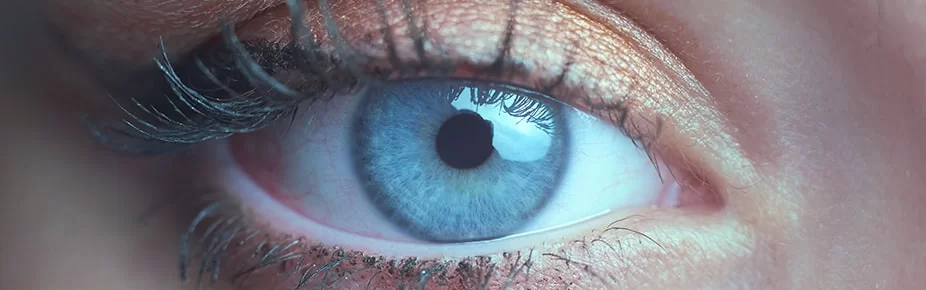

Advantages of iLASIK

With the help of Wavefront Analysis (aberrometry), individual measurements and vision corrections are made. With these measurements, the diameter of the corneal incision is determined by the doctor before the Lasik procedure. Clinical studies show with the iLASIK procedure, precise laser vision corrections can be applicable even in the presence of severe ametropia. In addition to reducing dry eye situations, infections and growths on the edges of flaps (dangling piece of flesh) can also be prevented with the iLASIK eye laser.

Are You a Good Candidate for iLASIK?

The most suitable candidate for iLASIK are people between the ages of 18 and 55. The development of the eye in those under the age of 18 has not yet completed. iLASIK is not appropriate to be performed before the age of 18 so you are not a good candidate for i-LASIK because of the possibility of changing the eye-glasses number and the fact that genetic corneal diseases that may affect the success of treatment. After the age of 55, the natural lens of the eye hardens and cataract development may begin, laser eye surgeries (iLASIK) do not affect the development of cataracts, but in this age group of patients, premium cataract surgery is more advantageous in terms of providing a life independent of glasses both far and near.

During the Procedure

iLASIK surgery procedure is usually operated in time of 30 minutes or less. In the procedure, you repose in a reclining chair and some medication may be given you for your relaxation. After the anesthetic eye drops are placed in your eye, your doctor uses a tool to keep your eyelids open.

A suction ring placed on your eye just before the corneal flap is cut can cause a feeling of pressure and a slight decrease in your vision.

Your eye surgeon uses a small blade or an excimer laser to cut a small hinged wing out of the front of your eye. Folding the flap back allows your doctor to be able to reshape the cornea.

Your eye surgeon reshapes parts of your cornea using a programmed laser. With every shot of the laser beam, a small quantity of corneal tissue is ejected. After reshaping the cornea, the surgeon puts the flap back in its place. The flap usually heals without suture.

During the iLASIK operation, you will be asked to focus on a point of light. With focusing at this light provides you to keep your eye stabilized while the laser reshapes your cornea. When the laser removes your corneal tissue, you may notice a distinct smell. Some people describe this smell similar to the smell of burning hair during iLASIK procedure.

Risks and Complications

Complications that lead to vision loss are extremely rare. However, when we looking at some of the side effects of iLASIK eye surgery, temporary vision problems especially such as dry eyes and glare, are quite common. These usually recover after a few weeks or months, and very few people experience them as a long-term problem. Other possible risks of iLASIK surgery include: halos and double vision, astigmatism, flap issues, vision loss or alterations.

What Should I Expect After i-LASIK Eye Surgery?

iLASIK presents better vision without the hassle of using glasses or contact lenses. In general, you will get a better vision after iLASIK operation. About 8 out of 10 people who have undergone refractive surgery no longer use glasses or contact lenses for most of their activities. Immediately after surgery, you can suffer itchy eyes, eyes feeling uncomfortable, eye burning, and watering of eyes. In addition, you will probably see blurry. You usually feel very little pain, and usually your vision will recover quickly.

After the iLASIK procedure, you may be given pain medication or eye drops to make you comfortable for a few hours. For your eye care, your doctor may also ask you to wear a protector on your eye for bright lights at nights until your eye heals. One to two days after surgery, you will have a follow-up appointment with your doctor.

Contact
close slider